A test for every scene
Any of the game's 2,136 scenes can now be run on its own, with automatic input, to see where it breaks.
Projects / Amagami

A study of Amagami ebKore+, a PS2 visual novel with a scripting engine of its own, and a native Windows version of it that runs from your own copy of the game.
You can see and try this today.
27 are still placeholders.
2,136 scenes to check. The test harness is ready; the first full run is next.
The goal is 95%.
A set of 20 to 30 reference screens.
amagami.exe runs the game in a window on a PC, from your own disc data: logos, title, menu, name entry, the action map and the prologue, at 58 to 60 frames per second, with music, sound effects, voices with lip sync, a game pad, full screen and saved games. The whole thing is our own C++ code, checked against the original running on a console emulator.


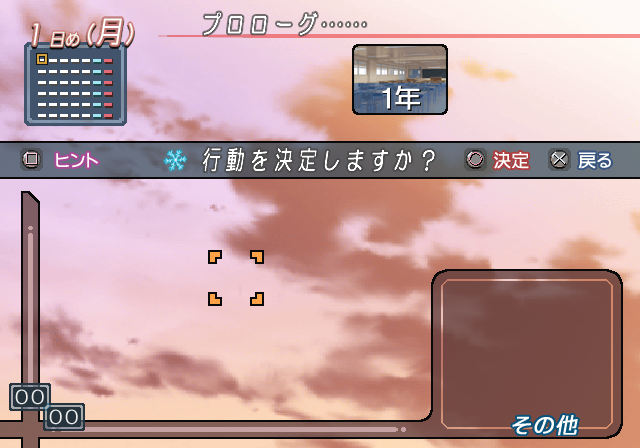
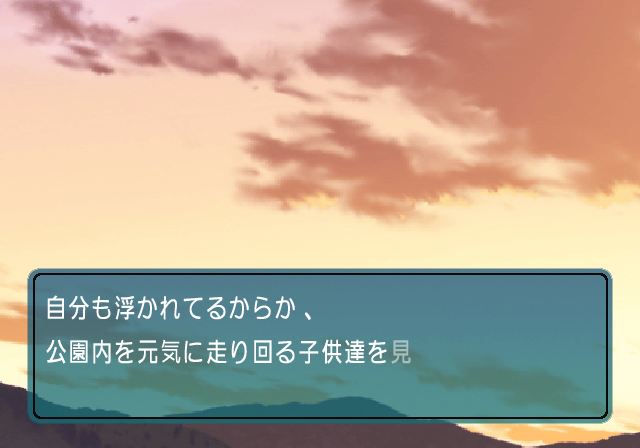
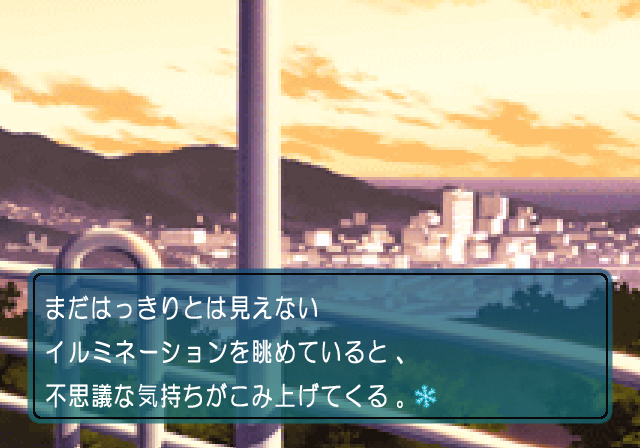
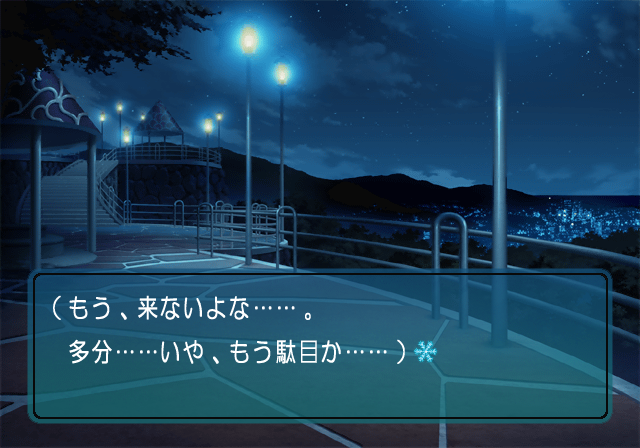
Captures come from the game running under our own tools. This site is not affiliated with the game's makers, and you need your own copy of the game to use anything here.
The stages of the work, and what happened lately.
A build that recreates the game's program byte for byte.
Open every file on the disc and pack it back identically.
Read, edit and recompile the scenario scripts.
Rewrite the game's own code so it compiles to the original bytes.
One full route playable on a PC, with no emulator.
High resolution and widescreen, translation support, loading mods from loose files, other platforms.

Any of the game's 2,136 scenes can now be run on its own, with automatic input, to see where it breaks.
Screens from the engine are lined up with the console running the original, down to the sky.
Matched code went from 480 to over 1,600 bytes, with new tools to compare function by function.
The Windows build now speaks, answers a controller, goes full screen and keeps your progress.
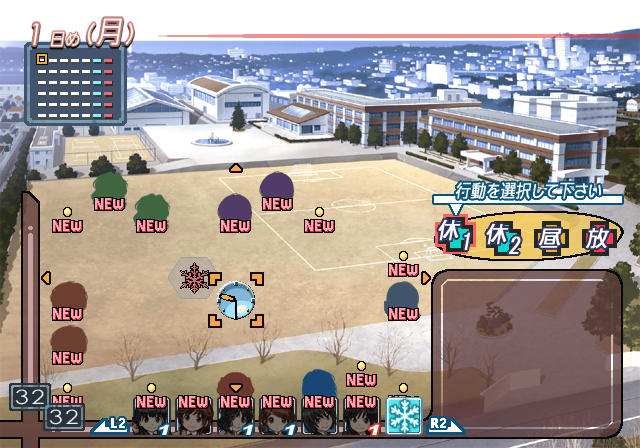
Streamed music decodes bit-exact against the reference decoder, and effects play from the console's own sound banks.
The C++ script machine agrees with the reference interpreter over tens of millions of instructions, and five frames render pixel-identical.
A Win32 window runs the real boot from the user's own disc data, from the logos to the first line of the prologue, at 58 to 60 frames per second.
The reference model now draws characters and whole backgrounds, compared against the real game running in an emulator.
From boot to the first line of dialogue, using the game's own font.
Eleven functions now rebuild to the original bytes.
Not needed to play. For the curious about how it is made.
47% of the program is the game's own code, and that is what we rebuild.
A side effort: rewriting the game's own code so it compiles to the original bytes, 1.1% done. It does not affect whether the game plays.
Reverse engineering and preservation: understanding how the game works so it can be studied, translated and kept playable. The tools for its script language are useful to anyone who wants to read it.